
Fatigue is the single most reported symptom among women in the perimenopausal age range, and almost nobody expects it. In a survey of 17,494 women across 158 countries, 71.1% named hot flashes as a sign of perimenopause. But among the 12,681 respondents aged 35 and over, 83.2% reported fatigue and 83.2% reported physical and mental exhaustion.
If you have spent two years assuming you are just tired, or run down, or getting old, that gap is worth understanding. It is also worth saying at the outset that fatigue has many causes, several of them treatable and unrelated to hormones, and this article covers those too. Broken nights are the most common of them, and the particular pattern of waking at 3am with no hot flash attached turns up in this age range far more than the trouble falling asleep that people expect.
What does the research actually say?
The study is Hedges et al., Global perspectives on perimenopause, published in Menopause, the journal of The Menopause Society, with data collected between 6 December 2024 and 16 May 2025 through the Flo app. It asked two different questions of two different groups, and the contrast between the answers is the finding.
| Symptom | Named as a sign of perimenopause | Actually reported by respondents aged 35 and over |
|---|---|---|
| Hot flashes | 71.1% | not among the most reported |
| Sleep problems | 67.5% | 76.1% |
| Weight gain | 65.2% | not among the most reported |
| Fatigue | not among the top three named | 83.2% |
| Physical and mental exhaustion | not among the top three named | 83.2% |
| Irritability | not among the top three named | 80% |
| Depressive mood | not among the top three named | 77% |
Two honest caveats about that table, because they matter and most coverage skips them. The expectation figures come from 17,290 respondents of all ages from 18 upward. The experience figures come from 12,681 respondents aged 35 and over. These are not the same people answering both questions, so the numbers sit side by side rather than being a before and after. And the paper reports them descriptively. It did not statistically test the gap.
Among the narrower group who said they were currently in perimenopause, the numbers climb: physical and mental exhaustion 94.5%, fatigue 93.3%.
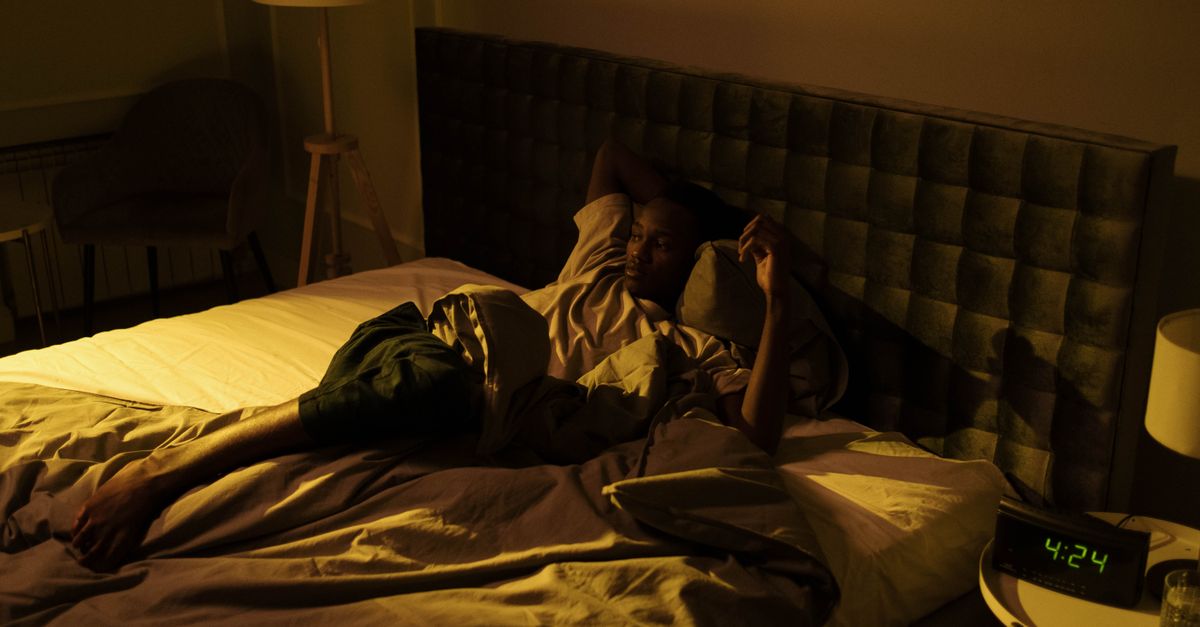
Is fatigue actually unrecognised, or just under-discussed?
This deserves a straight answer rather than a tidy one. The claim that nobody recognises fatigue as perimenopausal is too strong. In the study’s own data, fatigue was named by a meaningful share of respondents. What the authors state is narrower and more defensible: fatigue, irritability and digestive changes were far less likely to be identified as part of perimenopause than hot flashes were.
Fatigue is unambiguously in the clinical literature. The Menopause Society publishes patient material under the heading Are you just tired, or are you menopause tired?, which is about as plain as a professional body gets. The gap is between what is in the literature and what the average person, and sometimes the average appointment, actually reaches for first.
Why exhaustion gets attributed to everything else
- It has no obvious hormonal signature. A hot flash announces itself. Being tired at 3pm does not.
- It arrives alongside the years when work, teenagers and ageing parents all peak at once, and every one of those is a sufficient explanation on its own.
- It is the symptom most likely to be normalised by the person experiencing it. Very few people book an appointment because they are tired.
- Care seeking in this age band is low. In the same survey, only 16% of women aged 41 to 45 and 36% aged 46 to 50 had sought care for perimenopause, despite reporting a symptom burden at every age band.

What else should be ruled out?
This is the part that a page about perimenopause has a duty to include, because fatigue is not a symptom to attribute to hormones by elimination.
NICE guidance on tiredness and fatigue in adults lists thyroid stimulating hormone among the first line investigations, and recommends TSH as the initial test where thyroid dysfunction is suspected. That is a blood test with a clear answer, and it is worth having before concluding anything.
There is also a specific and under-appreciated link worth raising with a doctor. Heavier and longer bleeding is genuinely common during the menopause transition, and in SWAN data covering 2,329 participants over seven annual visits, heavy and prolonged bleeding was independently associated with fatigue. The size of it is worth having: women with three or more episodes of heavy bleeding in the previous six months were about 1.6 times more likely to report feeling tired and about 1.4 times more likely to report feeling worn out, after adjustment for age, body mass index, hormone therapy, mood, stress, sleep and several other factors. The SWAN authors’ own recommendation is that evaluation of low energy in midlife women should include asking about bleeding. NICE guidance on heavy menstrual bleeding says to carry out a full blood count for all women with heavy bleeding.
In plain terms: if your periods have got heavier and you are exhausted, those two facts may be connected, and that connection is checkable rather than theoretical.
Nothing here can tell you whether your fatigue is perimenopausal. It cannot be diagnosed from an article, and there is no blood test that definitively establishes the perimenopause stage. What this page can do is widen the list of things worth putting in front of a doctor.
What to bring to an appointment
- How long, and how it changed. Not just tired, but tired since when, and different from your previous normal in what way.
- What your periods are doing. Heavier, lighter, closer together, further apart, and roughly since when.
- Your sleep, honestly. Time you fall asleep, time you wake, whether you get back to sleep. Sleep problems were reported by 76.1% of respondents aged 35 and over, so this is rarely a separate issue.
- What you have already ruled out. Previous thyroid or iron results, with dates.
- The other things. Irritability, mood, concentration and digestive changes, because they are reported at similar rates and the pattern matters more than any single item.
Bringing that list from memory rarely survives contact with a ten minute appointment, and keeping a symptom diary that a doctor will actually read covers how to record it over a few cycles so the pattern is visible on paper rather than in your recollection. More on how to have that conversation when it does not go well is in being told you are too young, and if your cycles are still regular, regular periods do not rule it out.
Frequently asked questions
Is fatigue a symptom of perimenopause?
Fatigue and physical and mental exhaustion were each reported by 83.2% of respondents aged 35 and over in a survey of 17,494 women across 158 countries, and by over 93% of those who said they were currently in perimenopause. It is also listed by the British Menopause Society among commonly experienced symptoms.
Why do people expect hot flashes but experience fatigue?
In the same study, 71.1% named hot flashes as a sign of perimenopause. The authors describe a discordance between what is recognised and what is reported. Note the two figures come from different groups answering different questions, so they sit side by side rather than being directly comparable.
Can a blood test confirm perimenopause fatigue?
No. There is no laboratory test or biomarker that definitively determines the perimenopause stage. Blood tests are useful for ruling other things out, such as thyroid dysfunction or anaemia, rather than for confirming perimenopause.
What else causes fatigue in your forties?
Thyroid dysfunction and anaemia are two common and checkable causes. NICE lists thyroid stimulating hormone among first line investigations for tiredness in adults. Heavy menstrual bleeding is independently associated with fatigue in SWAN data, and NICE advises a full blood count for all women with heavy bleeding.
Should I mention my periods if I am seeing a doctor about tiredness?
It is worth raising. Heavier and longer bleeding is common during the menopause transition, and the SWAN authors specifically recommend that evaluation of low energy in midlife women includes asking about bleeding.
How many women in their forties actually seek help for this?
Fewer than most people assume. In one analysis, only 16% of women aged 41 to 45 and 36% of those aged 46 to 50 had visited a health care professional about perimenopause.
This article is general information, not medical advice, and is not a substitute for care from a qualified healthcare professional. Speak to your doctor about your own situation.

Leave a Reply